


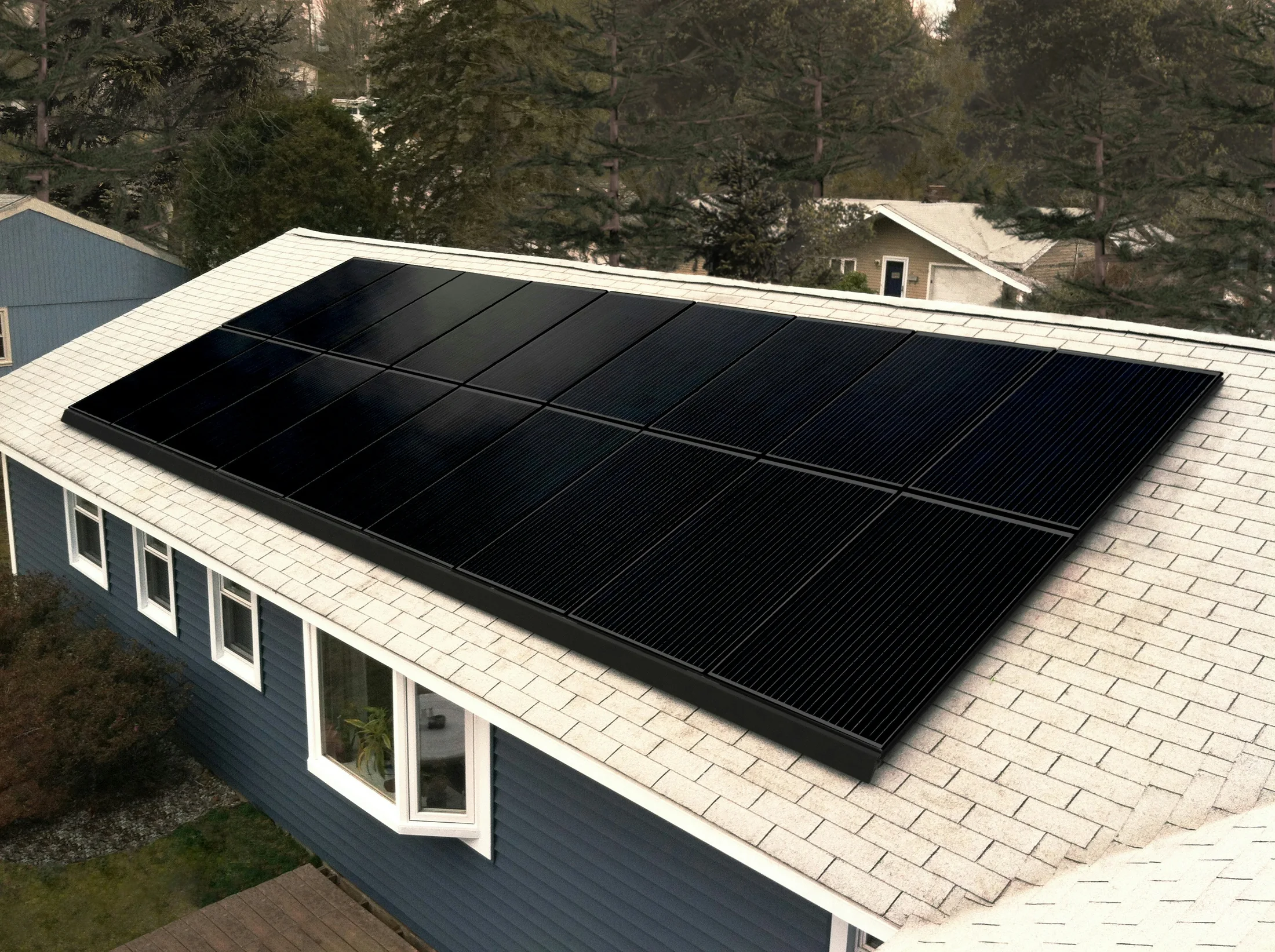
Define the solar component scope
Review PV modules, inverters, mounting systems and accessories against one project brief. State whether the request covers individual components or equipment intended to work together.
- Required output, dimensions, estimated quantity and installation conditions.
- Interfaces and compatibility questions for the planned system.
- Supplier documents, warranty terms and included delivery scope.
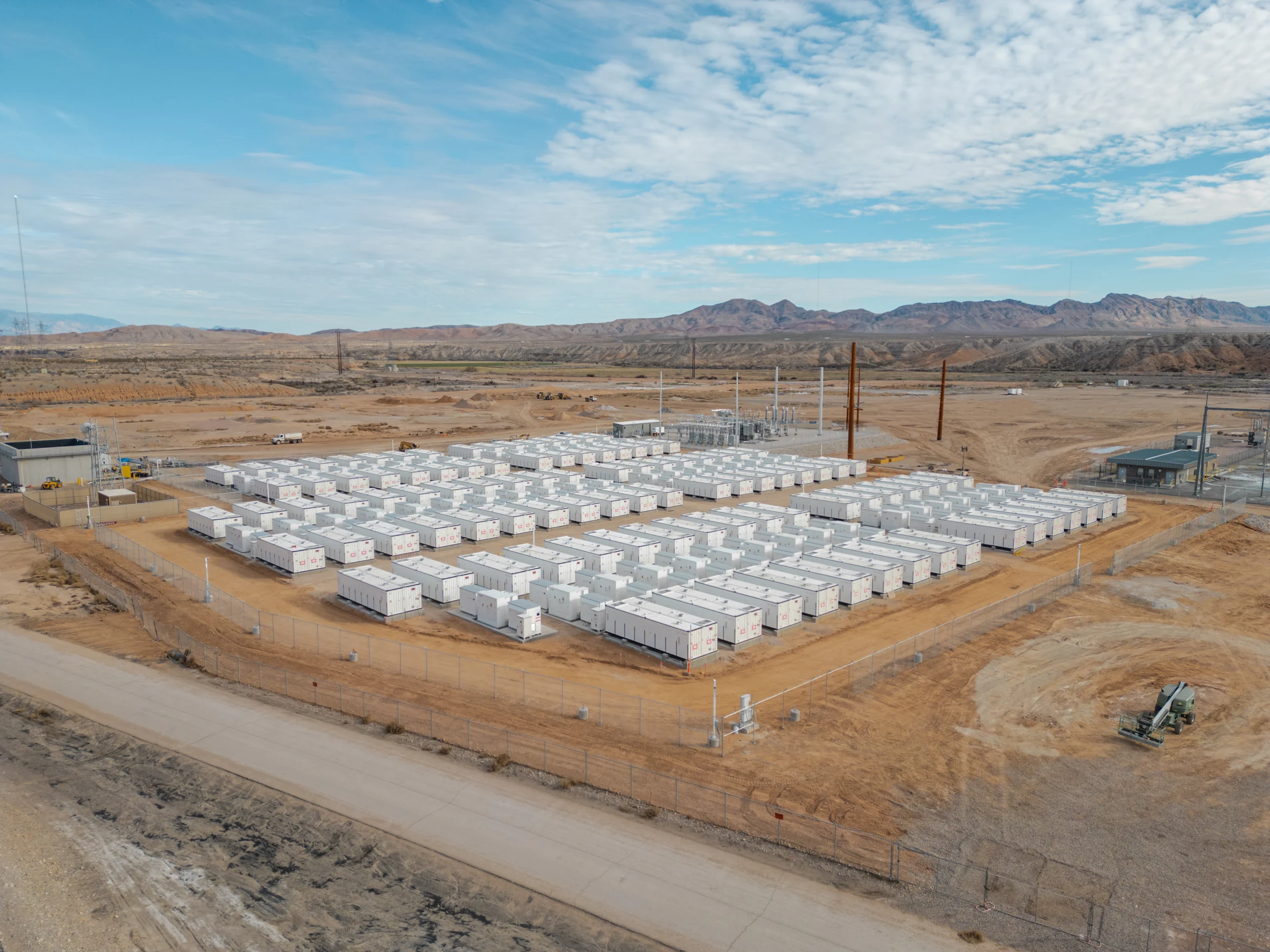
Describe the storage application
Requests may cover commercial storage cabinets or containerized battery systems for industrial sites and larger projects. Share what is already defined and what needs specialist review.
- Application, power and energy capacity, if known.
- Configuration, supporting equipment, operating conditions and site constraints.
- Controls, interfaces, documentation and service expectations.
Build one clear project brief
Tell us whether the request covers specified components, equipment for an approved system design or a concept needing technical review. Share the destination, target date and the technical decisions already made. Identify the project team member or specialist who will approve the configuration.
- Specified components: model or datasheet, quantity, required documents and acceptable alternatives.
- Defined system: equipment schedule, capacity, interfaces and approved technical requirements.
- Early concept: intended use, site conditions, target power and energy capacity if known, plus questions needing specialist review.
Compare scope, evidence and responsibilities
We organize supplier specifications, prices, documents and open questions for your team. Technical design, system suitability and required specialist reviews are assessed by appropriate providers. Confirm each offer’s inclusions, inspection and acceptance steps, installation responsibilities, warranty process and after-sales arrangements before proceeding.
Prepare the equipment and document handoff
Agree the approved configuration, inspection findings, packing and shipping documents before release. Identify who supplies technical records and who approves dispatch. Logistics partners assess shipment requirements for the actual equipment. Coordination does not replace the technical or destination-market reviews required for your project.
