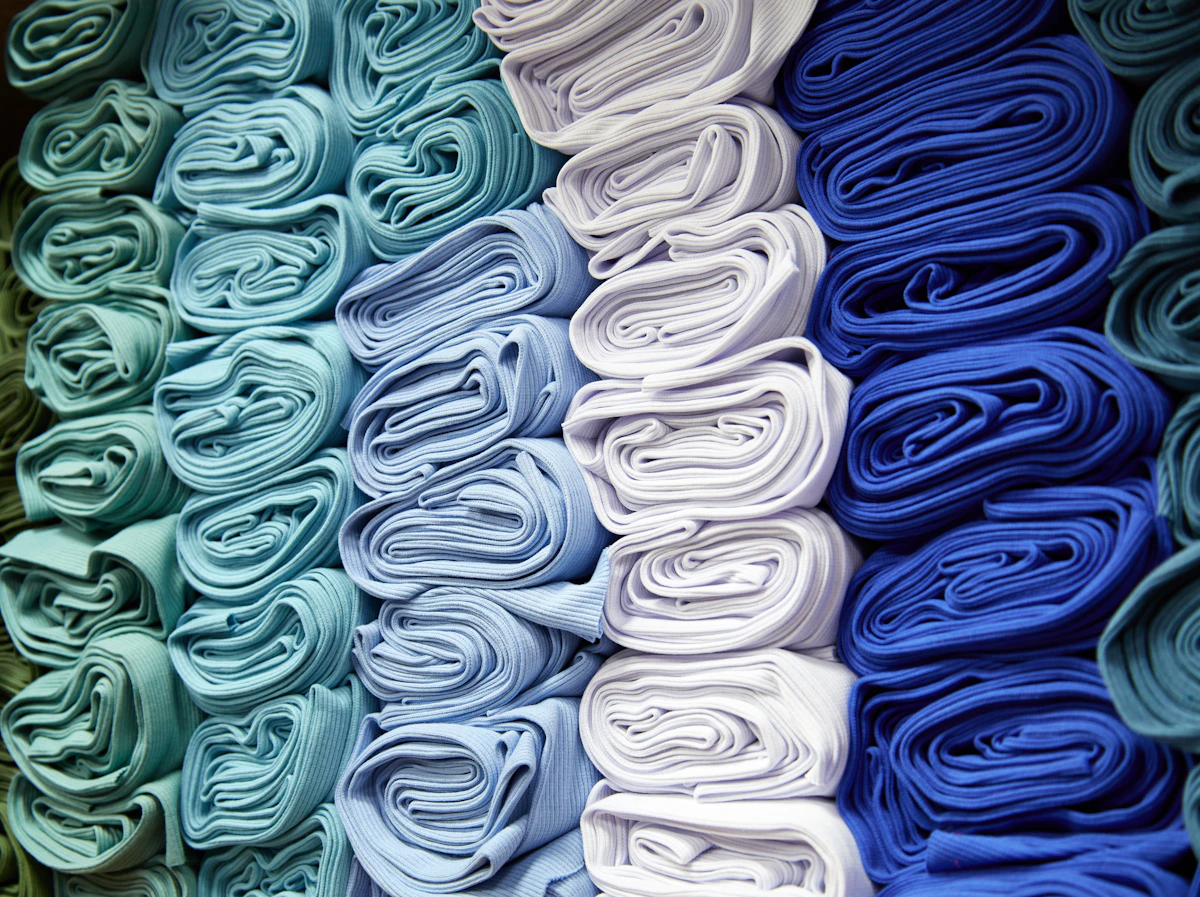
From fabric supply to finished textile products
Textile sourcing extends beyond a single garment. The brief can begin with fabric properties, a finished design or a collection intended for a particular use.
- Apparel: everyday garments, uniforms, promotional clothing and selected specialist product briefs.
- Home textiles: cushion covers, throws, bedding-related items, curtains and other fabric accessories.
- Bags and soft accessories: textile bags, pouches, covers and travel or storage products.
- Materials and components: woven or knitted fabrics, linings, trims, fasteners, labels and decorated panels.
A chain from yarn and fabric to the finished item
Textile production connects material preparation, fabric construction, coloration, finishing and making-up. Understanding these links helps buyers compare the right suppliers for fabric-only or finished-product orders.
- Fibers and fabric construction: compare composition, knit or weave, weight, handle and intended performance.
- Dyeing and finishing: coordinate color references, printing, washing and finishing with the chosen base fabric.
- Cutting, sewing and decoration: connect patterns, measurements, embroidery or print with assembly and trims.
- Finishing and packing: align inspection references, labels, folding, size assortment and shipment presentation.
Carry a material decision through the whole collection
We coordinate fabric and finished-item references so a decision made at sampling remains understandable to every supplier involved.
- Compare fabric availability and minimums alongside finished-product quantities.
- Approve material, color and construction in stages appropriate to the product.
- Track variations across sizes, colors and production lots for repeat orders.
Keqiao: fabric sourcing and textile processing
Keqiao District in Shaoxing, Zhejiang, is home to China Textile City and an established textile printing and dyeing industry. It is a useful starting point for exploring fabric choices and processing options. Fabric sourcing and garment production are separate parts of a brief and may involve different suppliers.
- Start with a swatch: compare composition, construction, weight, usable width and handle before selecting a fabric.
- Stock or custom: ask whether the quoted material is available stock or requires a new dye or print run, and how that changes quantity and timing.
- Connect fabric to production: confirm who checks incoming material, allocates dye lots and approves alternatives before cutting.
Move from fabric approval to a finished garment
A sample sequence helps isolate decisions instead of changing fabric, fit and branding all at once. Choose the stages needed for the product and retain the latest approved version.
- Color and print: approve a lab dip or print strike-off on the intended fabric where applicable.
- Fit sample: record measurement points and construction comments against a named size and version.
- Size set: review the agreed size range and grading before committing the whole assortment.
- Pre-production sample: confirm bulk fabric, trims, labels, decoration and packing together; approve changes in writing.
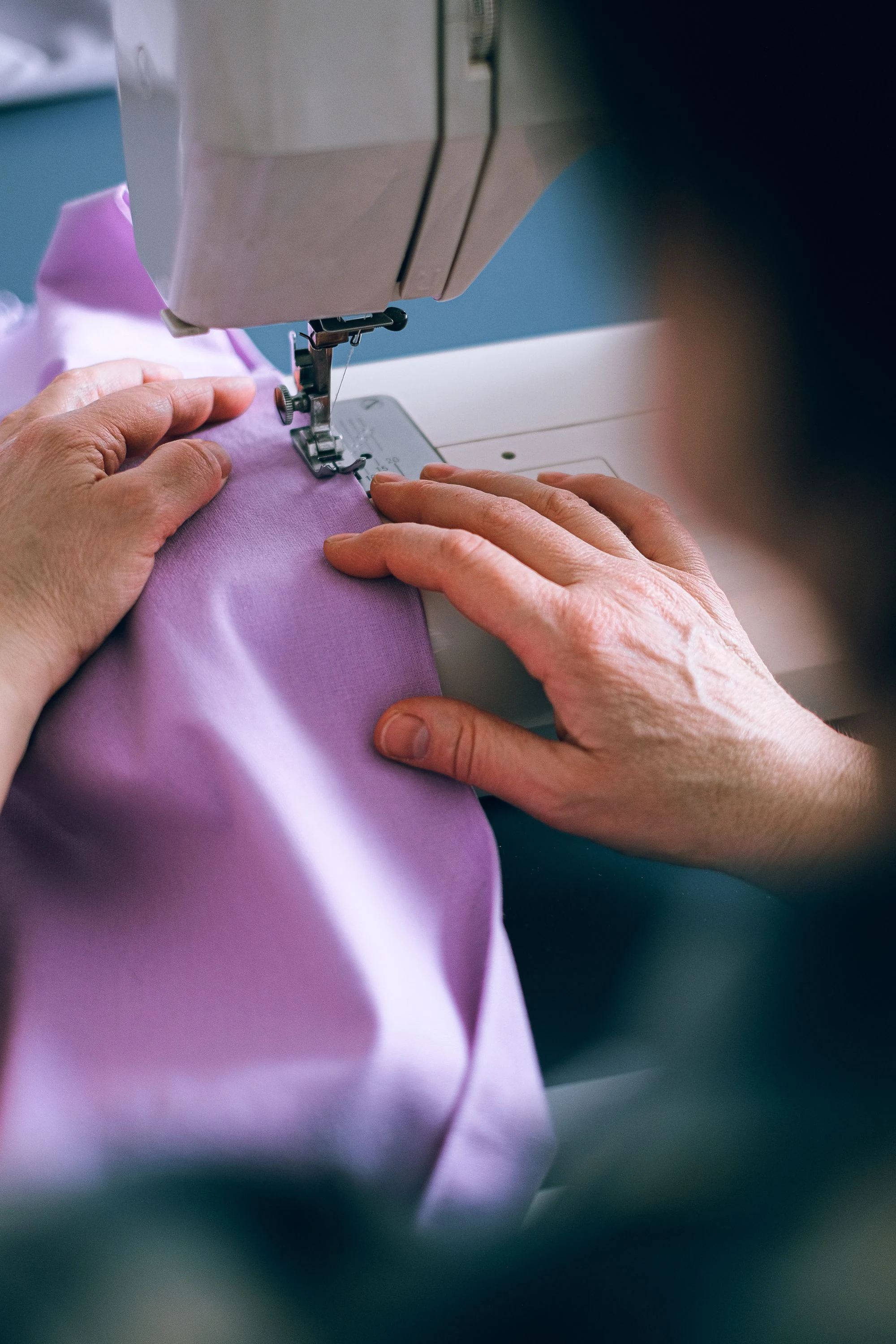
Specify the fabric beyond color
The same visual style can behave differently with a different fabric. Start with composition, weight, construction and handle, then agree which properties need testing.
- Fiber composition, fabric weight, stretch, texture and surface finish.
- Color reference, print method, embroidery or other decoration.
- Shrinkage, colorfastness or other performance checks where relevant.
- Material claims and the evidence needed to support them.
Approve measurements and sample changes
Use a measurement chart and annotated sample comments. A photo can show appearance, while fit and feel may require a physical sample and review by your team.
- Size chart, measurement points and agreed tolerances.
- Seams, stitch appearance, closures, lining, trims and reinforcement.
- Print or embroidery position, proportions and matching across sizes.
- Keep sample versions and revision notes together before production approval.
Prepare labels, checks and assortment packing
The product, label and packing instructions should refer to the same approved version. Confirm the order split and destination requirements before finalizing packaging.
- Composition, care, size, origin and other required labeling for review.
- Checks for measurement, workmanship, shade variation and decoration.
- Folding, individual packing, SKU labels and assortment quantities.
- Carton dimensions, weight and protection from moisture or marking.
Compare by style, fabric and quantity
Fabric availability, size mix, colors, decoration and sample changes all affect a proposal. Separate sample, setup, product, testing and packing costs.
- Can an existing garment be used as a reference? Yes, with your notes and the right to use the design.
- Can mixed sizes be ordered? Share the required size breakdown so suppliers can confirm the terms.
- What is the lead time or minimum order? We confirm both against the material and supplier selected.
Send a tech pack or a clear reference
Share sketches or product photographs, fabric preferences, measurements, size and color breakdown, quantity and destination. Include artwork, label information and the date you need the goods.