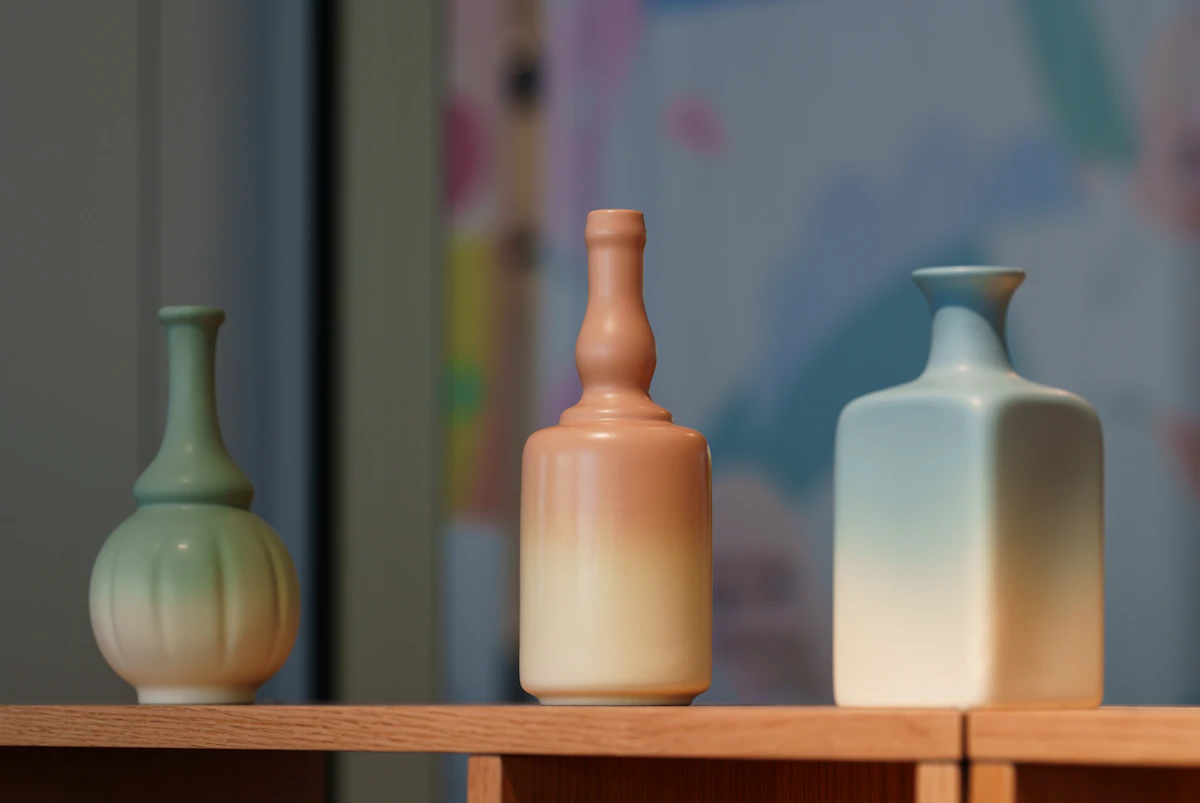
Collections across materials and living spaces
A vase is one starting point; the wider category includes objects that add character, organization and texture to a room.
- Decorative objects: vases, sculptures, ornaments, bowls and tabletop accents.
- Wall and surface accessories: mirrors, frames, trays, small storage and display pieces.
- Soft furnishings: cushions, throws and decorative textile accessories.
- Mixed-material collections: coordinated ceramic, glass, metal, wood or woven pieces for a common interior direction.
Connect materials, craft and repeatable production
Different materials bring different shaping and finishing possibilities. A coordinated sourcing brief lets buyers explore those alternatives without losing the collection’s proportions, palette or intended use.
- Forming and fabrication: identify suitable ceramic, glass, metal, woodworking, weaving or textile routes.
- Surface character: compare glazes, coatings, polishing, textures and fabric finishes using physical references.
- Mixed-material assembly: resolve joins, bases, fittings and dimensions between specialist suppliers.
- Collection packing: coordinate protection, labeling and presentation for both individual pieces and grouped orders.
Develop a collection with room to grow
We help connect related pieces through an agreed visual language while keeping material and production differences visible in the comparison.
- Explore several material routes for the same design intent before selecting a supplier.
- Use samples to define acceptable color, texture and handmade variation.
- Keep collection codes, size variants and packing references organized for additions and reorders.
Chaozhou: a ceramic production base to explore
Chaozhou, Guangdong, has an established ceramics industry serving export markets. For ceramic décor, this is one sourcing area to explore alongside your design, material and quantity requirements. A regional industry base provides options; we still assess the individual maker and the process suited to each piece.
- Collection development: discuss related vase, bowl and decorative-object shapes with a shared glaze or surface reference.
- Making method: ask how the piece will be formed, finished and fired, and which dimensions or details may vary.
- Supplier review: compare actual samples and relevant product experience before agreeing tooling, quantities or repeat orders.
From a ceramic shape to a repeatable collection
A handmade reference and a production sample may differ in wall thickness, proportions or surface appearance. Settle those differences with the maker before approving a collection. The process photograph below illustrates clay forming; the production route depends on the design.
- Shape and tooling: distinguish an existing mold, a modified shape and a completely new design; identify tooling ownership and revision costs.
- Glaze and color: compare approved samples under the same light, including the inside, rim and base.
- Intended function: say whether the piece is decorative, must retain water or needs another functional assessment.
- Repeat orders: retain sample references and acceptable variation so a later batch can be reviewed consistently.
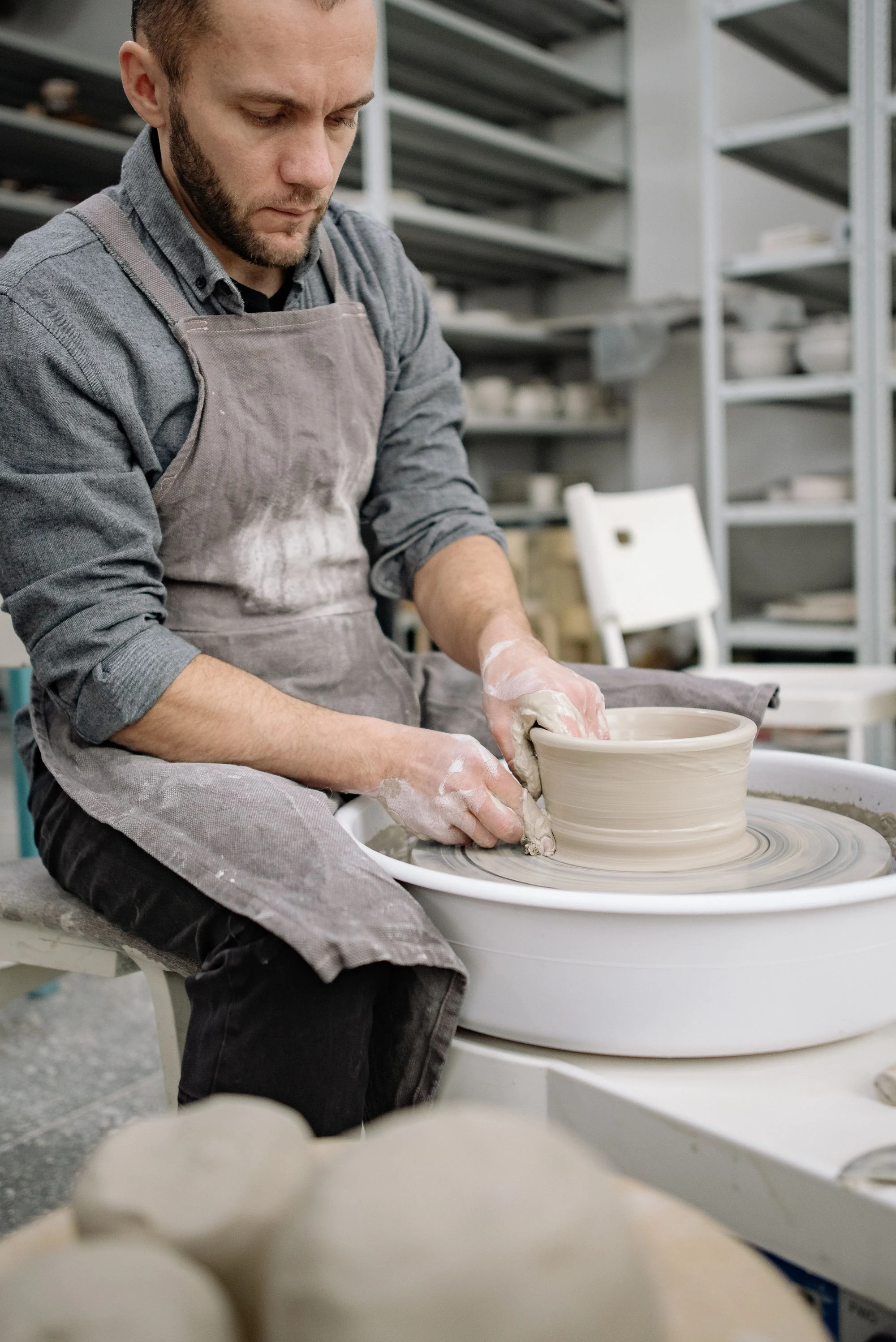
Turn appearance into a repeatable reference
A mood board is a starting point. Define material, dimensions, weight, surface finish and accepted variation so suppliers quote the same requirement.
- Ceramic, glass, metal, wood, resin or mixed materials, reviewed against the intended use.
- Color references, glaze or coating appearance, texture and gloss.
- Size tolerances and acceptable variation for handmade or natural-material items.
- Decorative use versus food contact, water containment or exposure to heat.
Review the product as it will be used
Coordinate samples for appearance and practical checks. If a vase needs to hold water, or a holder will be exposed to heat, include that intended use in the brief and agree suitable assessment.
- Compare proportions, stability, base protection and finish consistency.
- Review joining, handles, hanging points and other construction details.
- Check matching within a collection under consistent viewing conditions.
- Confirm the approved sample and any test or documentation requirements.
Design protection around the fragile parts
A decorative product needs to arrive with its presentation intact. Review individual wrapping, separation and outer carton design alongside the product.
- Identify fragile edges, handles, protrusions and surfaces that may rub.
- Agree inserts, partitions, orientation and quantity per carton.
- Review a packed sample and arrange transport-related testing if required.
- Confirm carton dimensions, weights and labels for consolidation.
Compare the complete collection
Separate tooling, sample, product, finish and packing costs. Confirm the order split by shape, size and color and how replacements or production variations will be handled.
- Can colors match a brand reference? We ask the supplier for the process and sample approval approach.
- Can several designs ship together? We can review consolidation once supplier locations and ready dates are known.
- Are samples and minimum orders fixed? Both depend on material, construction and supplier.
Share references and the intended use
Send photographs or drawings, dimensions, preferred materials, quantity by design, destination and packing expectations. Explain whether you need an existing product, a change to an existing design or a new development.