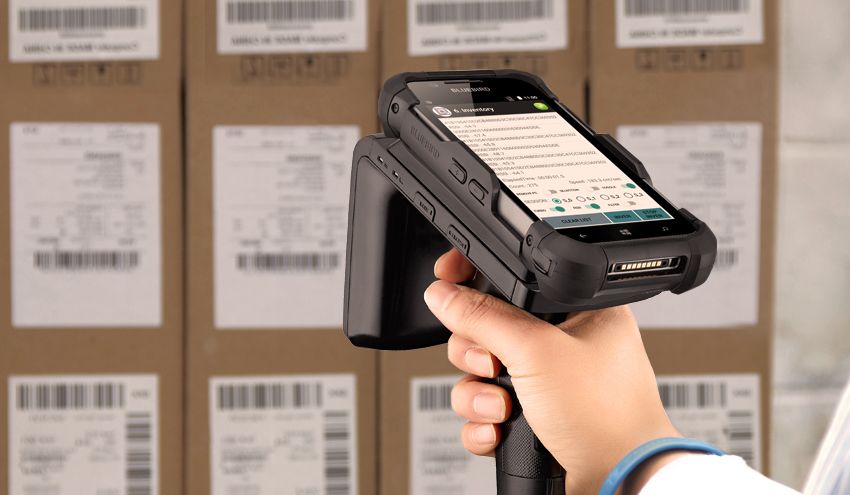
Two product directions, a broader sourcing scope
Business equipment and everyday electronics have different operating needs, but both depend on well-matched components, manufacturing and support. These examples open the conversation; they do not limit the category to a fixed catalogue.
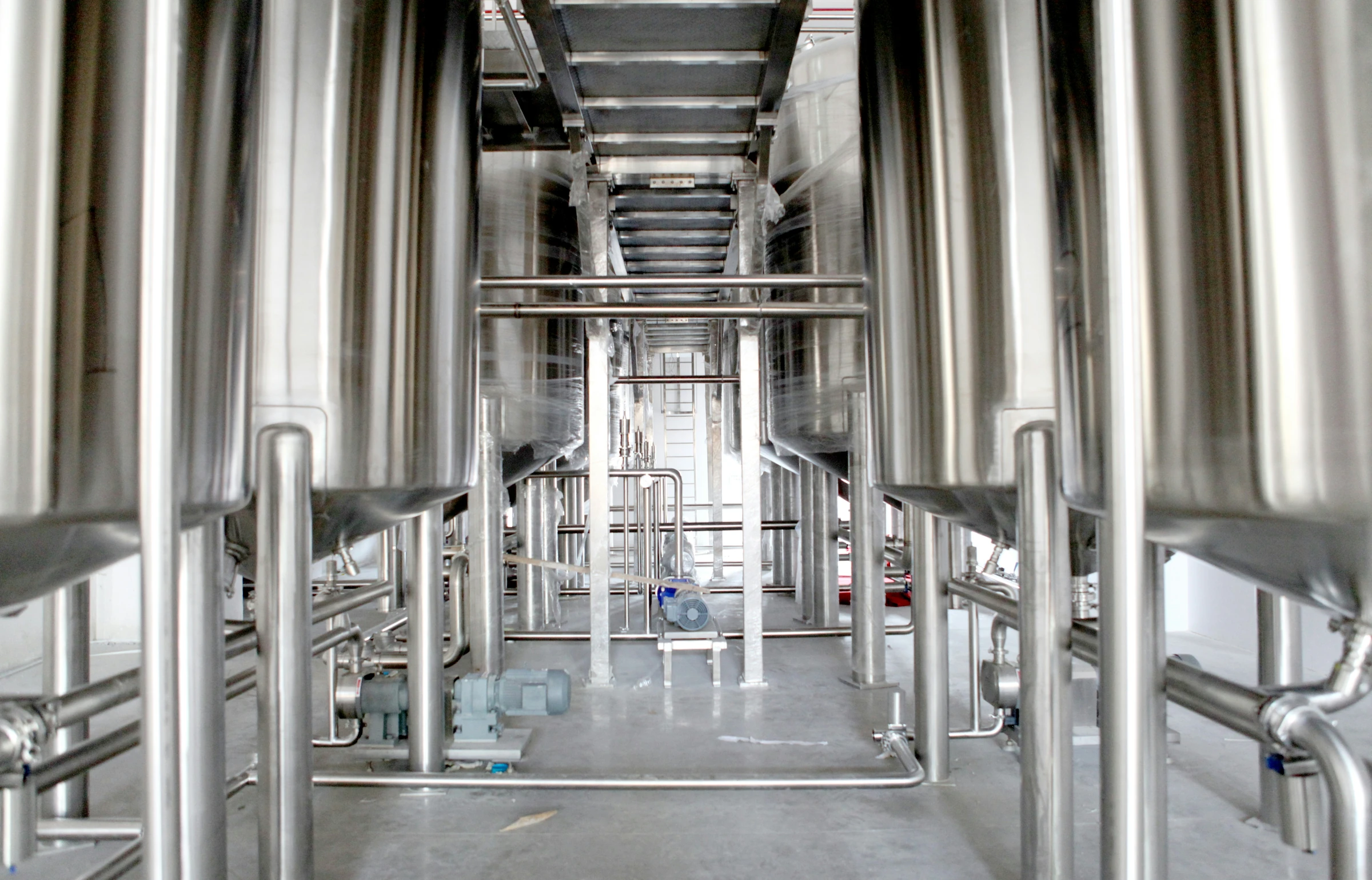
- Commercial equipment: retail and hospitality equipment, packing and labeling units, workshop tools and equipment for defined processing or handling tasks.
- Business electronics: barcode scanners, receipt printers, display terminals, environmental monitors and supporting peripherals, subject to system compatibility.
- Consumer electronics: audio products, chargers, cables, hubs, computer and phone peripherals, smart-home accessories and everyday electronic devices.
- Components and supporting products: sensors, displays, controls, power supplies, enclosures, fixtures, consumables and spare parts.
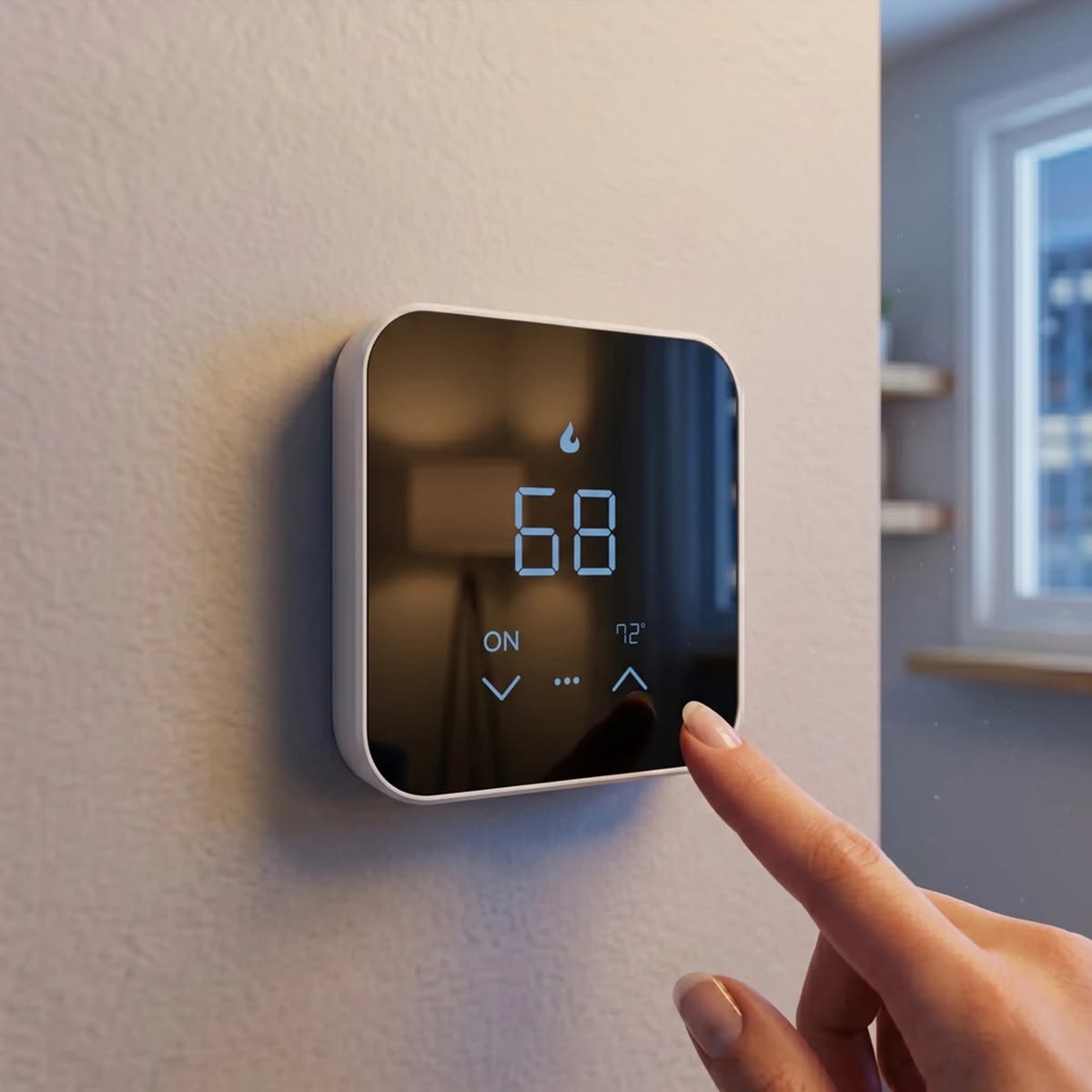
- An ambient temperature monitor is one product example, rather than the boundary of this category. Start with your intended use, performance and operating environment.
Define the equipment and its supporting parts
For workshop and business equipment, the useful comparison is the complete operating setup. Share the task, the items being handled and the surrounding equipment so suppliers can explain what is included and what is still needed.
- Benchtop or workshop tools: identify workpiece size, material, work cycle and the accessories needed for the intended task.
- Handling or packing equipment: describe the product or package dimensions, weights and the handoff to the next stage.
- Replacement equipment: provide the existing nameplate, datasheet and connection details, and identify any constraints that cannot change.
- Specialist machinery: assign technical suitability and acceptance decisions to the qualified person responsible for the project.
Bring data capture into everyday operations
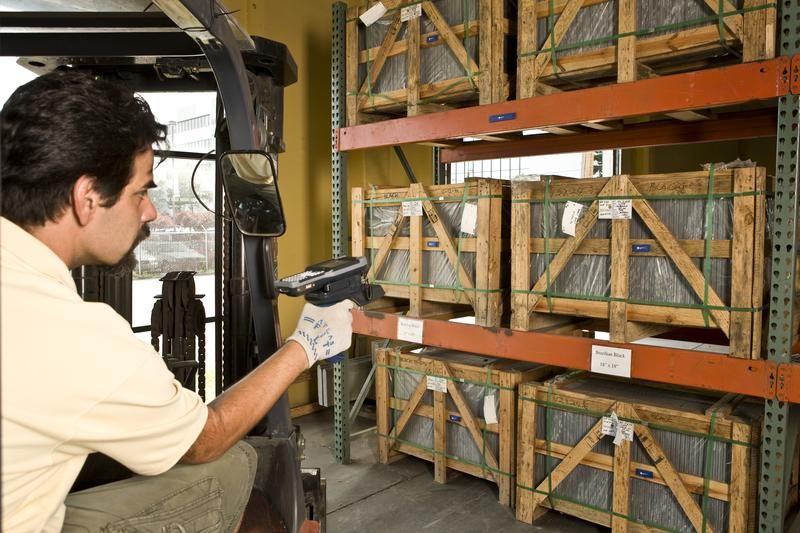
Handheld readers and mobile terminals help identify goods, count stock and record movements during receiving, picking and asset tracking. Compare barcode and RFID options around your products and existing system; suitable models and configurations depend on the actual task.
- Identification: clarify whether the workflow uses barcodes, RFID tags or both; match the reader to the actual labels or tags.
- Everyday use: compare scanning convenience, screen readability, battery life and portability for stock checks, receiving and picking.
- System connection: review software interfaces, wireless coverage and offline data handling with the responsible technical team.
- Trial and handoff: test representative goods and locations, then agree configuration, accessories, operator guidance and support responsibilities.
Everyday electronics, designed around their environment
Smart-home controls, environmental sensors and connected accessories bring displays, sensing, enclosures and software into one user experience. A temperature controller is one example within a wider range of consumer electronics we can explore with suitable partners.
- Define the intended use: monitoring, control or both, with the functions and operating conditions that matter to the user.
- Confirm compatibility: power supply, installation, connected equipment and any app or communication requirements with the responsible technical provider.
- Review the experience: display readability, controls, enclosure finish, instructions and packaging alongside functional sample checks.
- Plan ongoing support: agree configuration records, updates where applicable, replacement arrangements and the supplier’s support scope.
Connect mechanical, electronic and product resources
A sourcing route can combine equipment manufacturers, component suppliers, enclosure and metalworking specialists, assembly partners and technical service providers. For electronics, Shenzhen and the surrounding manufacturing network offer starting points for component and product comparisons; equipment sourcing is matched to the process and manufacturer required.
- Electronics: compare sensing, display, audio, power and connectivity platforms against functions and target cost.
- Mechanical construction: coordinate fabricated parts, molded enclosures, drives, fixtures and wear components with the selected manufacturer.
- Controls and software: define electrical interfaces, firmware, app or business-system integration with the responsible technical partners.
- Assembly and preparation: connect sample builds, configuration checks, testing providers, instructions, branded packaging and shipment preparation.
Build a range, not just a single model
A consistent specification and approval process makes it easier to compare products across suppliers and plan related models. We coordinate the handoffs so design choices, technical requirements and commercial terms stay connected.
- Compare existing models before deciding whether new tooling or development adds enough value.
- Group related products around shared styling, accessories, packaging or user experience where practical.
- Keep the approved hardware, firmware and component configuration traceable through sampling and production.
- Plan substitutions, reorders and support requirements with the responsible suppliers.
Existing model, private label or new development?
These routes have different costs and approval needs. We help separate cosmetic changes from changes to electronics or software so the supplier can quote a defined scope.
- Existing model: confirm the current configuration, included accessories and available documentation.
- Private label: define logo, casing color, instructions and packaging; check whether any change affects the evidence required for the final product.
- New functions or tooling: request a feasibility review, development stages, ownership terms and sample costs before committing to production.
- Reorders: agree how component substitutions, firmware revisions and end-of-life changes will be communicated.
Separate essential functions from preferences
A model reference is useful, but appearance alone does not define performance. Build a comparison around measurable features and the intended operating conditions.
- Power source, input and output ratings, connectors and included accessories.
- Dimensions, materials, controls, indicators and operating environment.
- Compatibility with the devices, operating systems or accessories you plan to use.
- For connected products: app availability, account requirements, update support and data-handling questions.
Test a representative sample
Agree a sample checklist with your team or technical provider. Record the hardware and software version, included accessories and the conditions used for evaluation.
- Check the functions that matter to the intended user, not only the appearance.
- Review assembly, connectors, controls, packaging and instructions.
- Confirm whether production will use the same components and software version.
- Identify destination-specific testing or specialist review before placing the order.
Write the acceptance plan before shipment
Decide what needs to be demonstrated and who reviews it. A video of an idle machine is different from a demonstration using an agreed workpiece and operating conditions.
- Agree the demonstration material, setup, outputs to record and acceptance criteria with your technical reviewer.
- List the tools, consumables, spare parts and manuals to be supplied with the exact configuration.
- Record installation preparation, training and service arrangements, including what can be handled remotely.
- Keep the accepted configuration, open issues and dispatch approval together for the destination team.
Connect documents to the actual model
Request documentation for the exact model and configuration offered. A report for another product or an earlier version may not answer your project’s questions.
- Manufacturer identity, model number, specification and applicable reports.
- Markings, instructions, language and any claims used in the sales material.
- Battery details where present, to support assessment by the logistics provider.
- Warranty process, defective-unit handling, spare accessories and support responsibilities.
Control changes through production
Record the approved sample and technical specification. Agree how component substitutions, firmware changes and inspection findings will be communicated and approved.
- Can you coordinate a branded version? We review logo, packaging, software and hardware changes separately.
- Can a supplier certificate be accepted automatically? Your destination and exact configuration need to be checked by the appropriate reviewer.
- Can batteries ship with the goods? The logistics provider must assess the actual battery and shipment details.
Prepare the handoff at destination
Review machine dimensions and weight, protective packing, lifting or handling needs and included documents with the responsible suppliers and logistics partners. A useful comparison covers the complete scope, including optional accessories and support, so an apparent price difference can be understood.
Plan support beyond the first shipment
Equipment and electronics need different support arrangements. Confirm responsibilities and costs with the supplier and destination team before ordering; availability should be checked for the actual model.
- Equipment: define site preparation, installation, commissioning, operator guidance and the party responsible for on-site work.
- Spares and consumables: agree part references, an initial spare-parts list, replacement lead times and any specialist tools.
- Electronics: record warranty handling, defective-unit assessment, replacement accessories and firmware or app support where relevant.
- Product changes: agree advance notice of component substitutions, discontinued models and software revisions so repeat orders remain comparable.
Send the function, reference and destination
Share the intended use, product or model reference, essential functions, quantity, destination and target date. For equipment, add workload, utilities, installation space and acceptance needs. For electronics, add compatibility, branding and software requirements. We can help organize open questions for the appropriate suppliers and technical reviewers.