
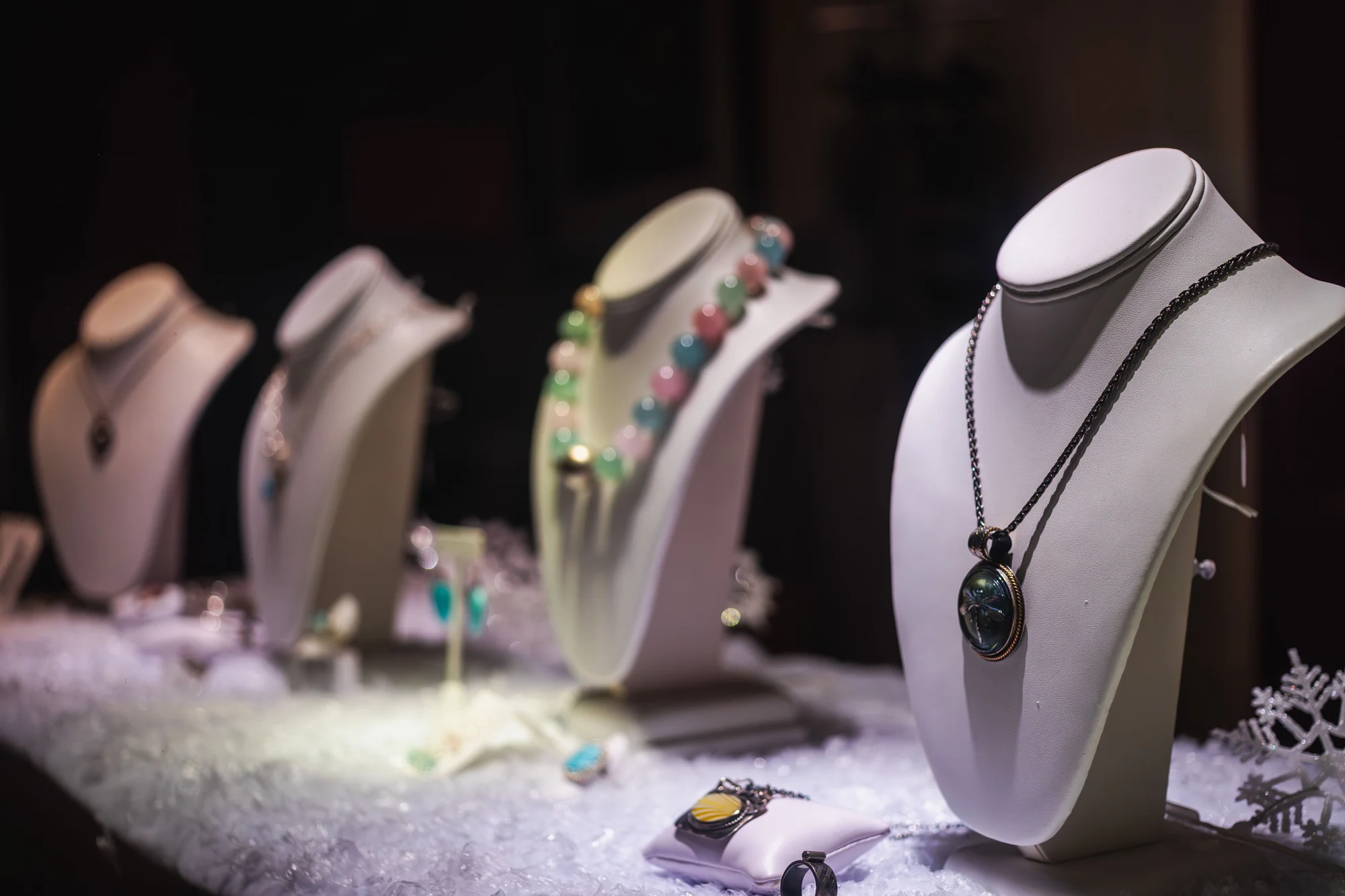
Two product directions: gemstones and finished jewelry
Source gemstones and pearls separately, develop finished jewelry and accessories, or coordinate both in one project. Tell us which products you need so material selection and finished-piece requirements can be reviewed together.
- Gemstones and pearls: loose stones, gemstone beads, pearls, jade pieces and stone components, with material descriptions, dimensions and supporting evidence agreed with the supplier.
- Finished jewelry and accessories: rings, earrings, necklaces, pendants, bracelets, bangles and brooches, including everyday styles, fine jewelry and matching sets.
- Connected sourcing: combine selected stones with suitable settings, chains and clasps, then coordinate samples, finishes and branded packaging.
Turn a jewelry idea into a coordinated collection
Illustrative project, not a past client case. A possible starting point is a small necklace and earring collection built around one stone, finish or design language.
- Define the wearer, target price and whether you need gemstones, components or finished jewelry.
- Compare material and setting options with suitable specialist partners, then review samples for appearance, finish and wear.
- Coordinate packaging, care information and a recorded production reference so future additions can belong to the same collection.
Gemstones and pearls: materials, beads and components
Start with the material and intended use. We can help review suitable sourcing and processing options with specialist suppliers; availability and specifications are confirmed for each request.
- Product forms: loose stones, beads, pearls, jade pendants and other stone components for jewelry or separate supply.
- Material information: specify the stone or pearl type, natural or laboratory-grown origin where applicable, and any treatment or color enhancement. Request supporting identification when needed.
- Selection and processing: agree dimensions, shape, color range, drilling, cutting, polishing and matching requirements before sample approval.
Finished jewelry and accessories: everyday styles and collections
Develop individual pieces, matching sets or a branded product range. Select the material and finish around the design, intended use and target price, then confirm feasibility with the appropriate supplier.
- Product forms: rings, earrings, necklaces, pendants, bracelets, bangles, brooches and coordinated sets.
- Material directions: gold, silver, stainless steel and other suitable metals, with stone-set, pearl, bead or mixed-material designs. Material specifications and finishes are agreed for each project.
- Customization: discuss sizing, engraving, logo details, colors, clasps and matching components through drawings and samples.
- Retail preparation: coordinate individual protection, care information, labels, boxes, pouches and presentation with the finished pieces.
Materials, specialist processes and finishing in one route
Jewelry draws on complementary supply networks. Coordinating those specialists lets buyers explore different materials and forms while keeping the finished design and sample reference consistent.
- Stone supply and processing: connect material selection with cutting, polishing, drilling and matching.
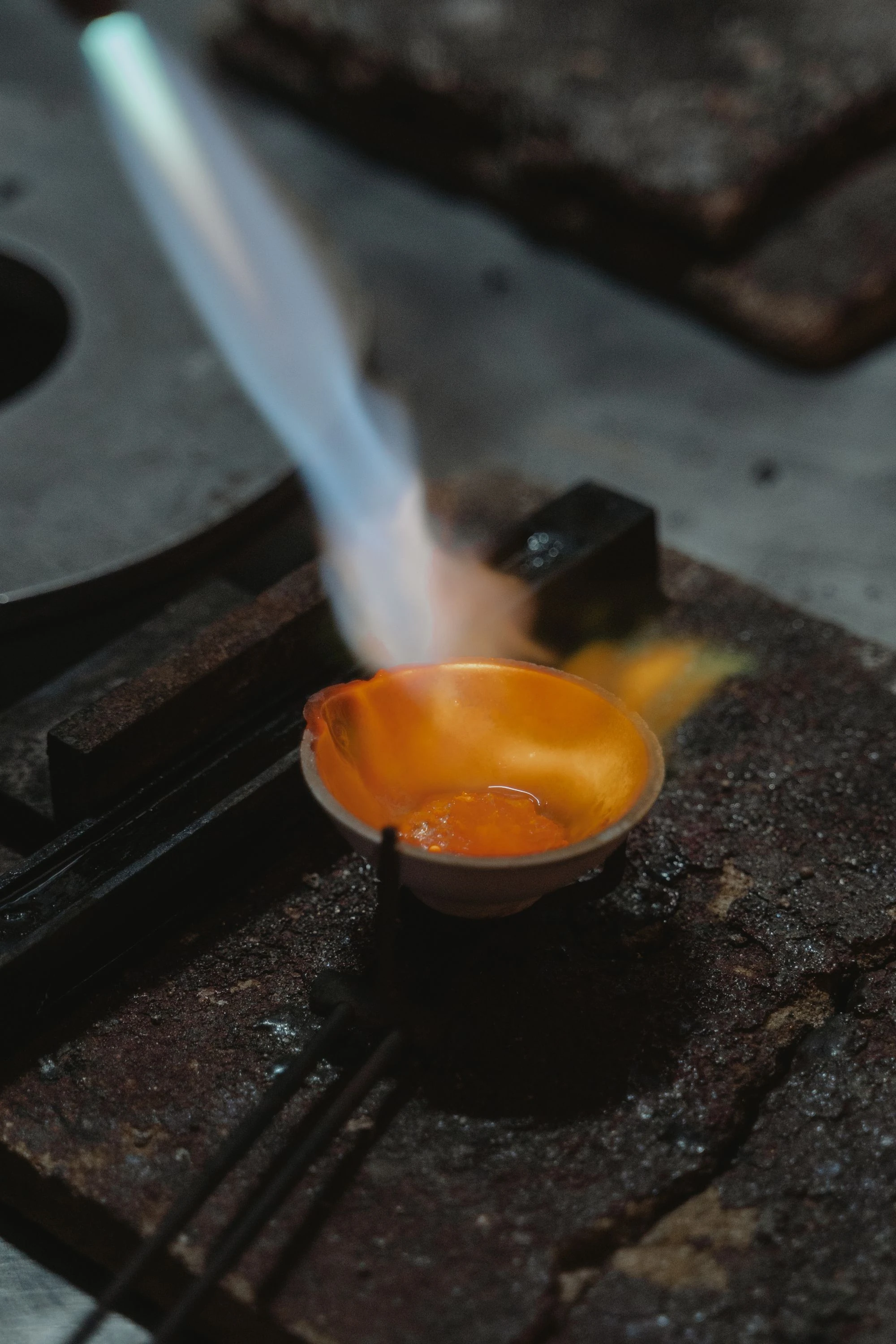
- Metalworking: explore suitable forming, small-scale melting and casting, fabrication or component-sourcing routes.
- Assembly and finish: coordinate setting, joining, polishing, plating and other agreed surface treatments.
- Inspection and presentation: connect material evidence, finish references, collection packing and shipment preparation.
Use the cluster strengths without limiting the collection
Haifeng County, Shanwei City brings together jewelry materials, processing and production resources. We identify suitable partners for the actual material, process and product brief.
- Combine stone-focused and metal-focused resources where the design calls for both.
- Compare components, semi-finished work and finished-product sourcing as separate options.
- Keep drawings, sample revisions and material or finish references together as the collection develops.
Haifeng County, Shanwei City: gemstones and processing
Explore gemstone materials, components and processing through the jewelry supply network in Haifeng County, Shanwei City. Connecting material selection with cutting, polishing and matching provides a practical route from individual components to a coordinated collection.
- Materials and product direction: discuss gemstone beads, pendants and components by stone type, color range, dimensions and finish. Confirm the options with each supplier.
- Processing fit: compare cutting, shaping, drilling and polishing against your reference. Agree tolerances and acceptable variation before approving a sample.
- Material clarity: request identification and treatment information where relevant, and agree any independent testing. A trading location alone does not establish a stone’s origin or quality.
Haifeng County, Shanwei City: jewelry production
The jewelry production network in Haifeng County, Shanwei City offers specialist routes for gold and silver jewelry, components and finishing. We coordinate suitable partners around the design, sample and agreed production scope, with responsibilities confirmed for each process.
- Choose the right workshop: match the product construction, metal and finish to the supplier’s actual equipment, experience and sample work.
- Define the process: discuss forming, assembly, setting and polishing as the design requires. Clarify which steps are completed in-house and which use specialist subcontractors.
- Keep the collection consistent: agree material evidence, surface finish, sizing and sample references, then confirm quantities, lead times and packing in the quote.
Choose the material and finish deliberately
925 silver, 14K gold and stainless steel are options to discuss, subject to design and supplier suitability. Keep the base material, surface treatment and stone specification separate so offers can be compared accurately.
- Request the material description and the evidence needed to support it.
- Define plating color, finish reference and any agreed coating specification.
- For stones, specify type, dimensions, color and setting; record acceptable alternatives.
- Check intended use and destination requirements before approving claims or labels.
Use the sample to settle small details
Coordinate drawings or a reference piece, then record the sample version and requested revisions. Photographs help review appearance; fit, weight and fastening may need a physical sample.
- Confirm dimensions, weight range, engraving artwork and position.
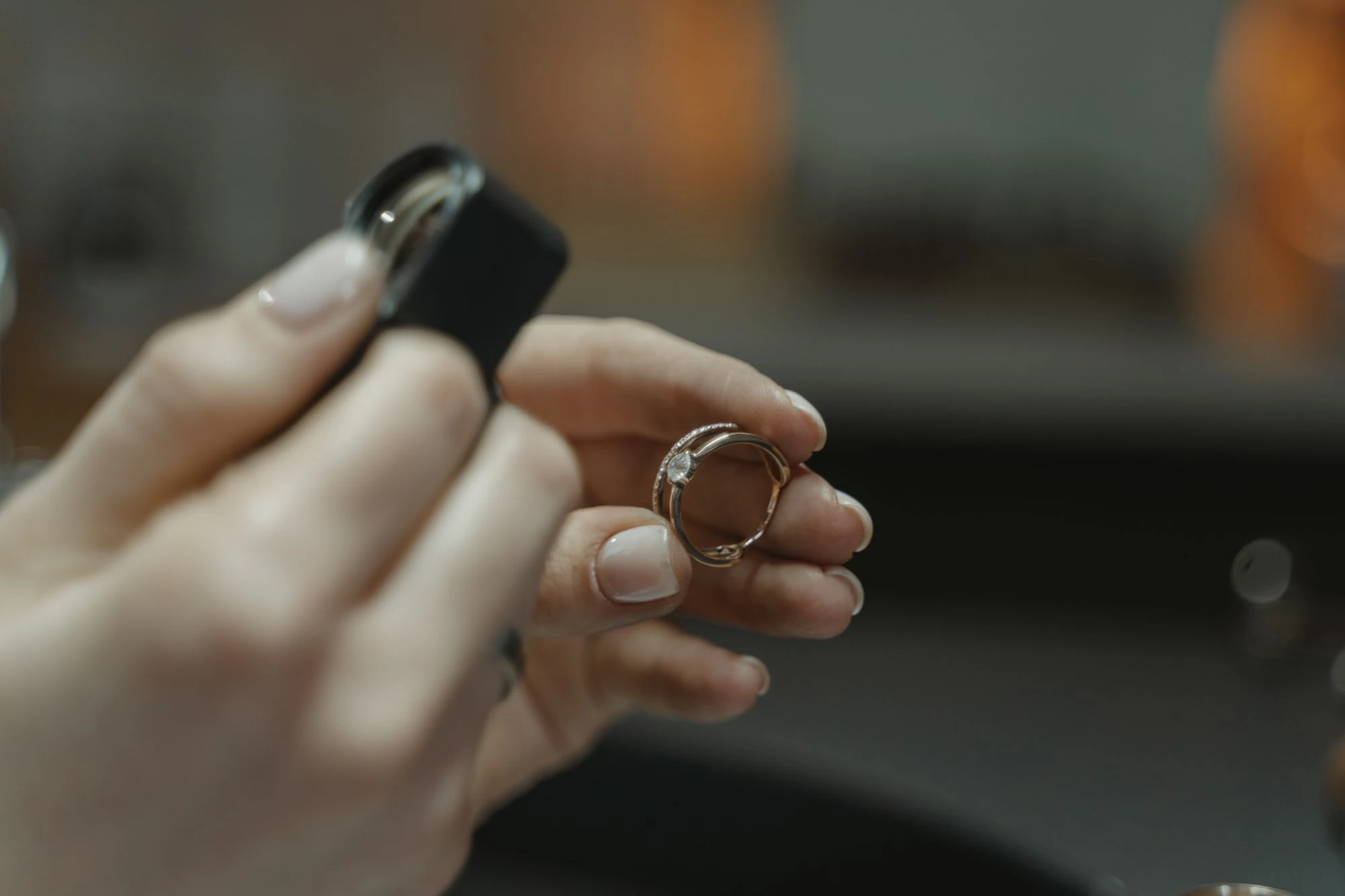
- Review edges, joints, clasps, stone alignment and matching across a pair or set.
- Agree any material or wear testing with a suitable provider before approval.
- Samples, tooling costs, minimum quantities and timing depend on design and supplier; they are confirmed in your quote.
Agree the production reference and checks
Happy Display coordinates supplier communication, samples and follow-up around your agreed brief. We review workshop information and available process or product photographs with you before arranging any agreed visit or production checks. Once approved, the sample becomes the reference for production review.
- Use the approved sample, drawings and finish reference together.
- Agree checks for appearance, dimensions, quantities and function of clasps or moving parts.
- Confirm individual protection, set matching, SKU labels and carton quantities.
- Obtain approval for substitutions or revisions before they enter production.
What makes a jewelry quote comparable?
Ask suppliers to separate product price, samples, molds or tooling, special finishes, testing and packaging. Specify the quantity by design, material, size and color rather than only the collection total.
- Can you work from a sketch? We can coordinate a feasibility review and identify the information needed for a sample.
- Can you copy a reference exactly? Share only designs you are entitled to use; feasibility and agreed tolerances still need review.
- What is the minimum order? It varies by construction, materials, finish and supplier; we confirm it for your brief.
Send a useful first jewelry brief
Share a reference image or drawing, preferred material, approximate dimensions, quantity by style, destination and target date. Include packaging and any required material evidence. If the design is still evolving, tell us which features are essential and which can change.