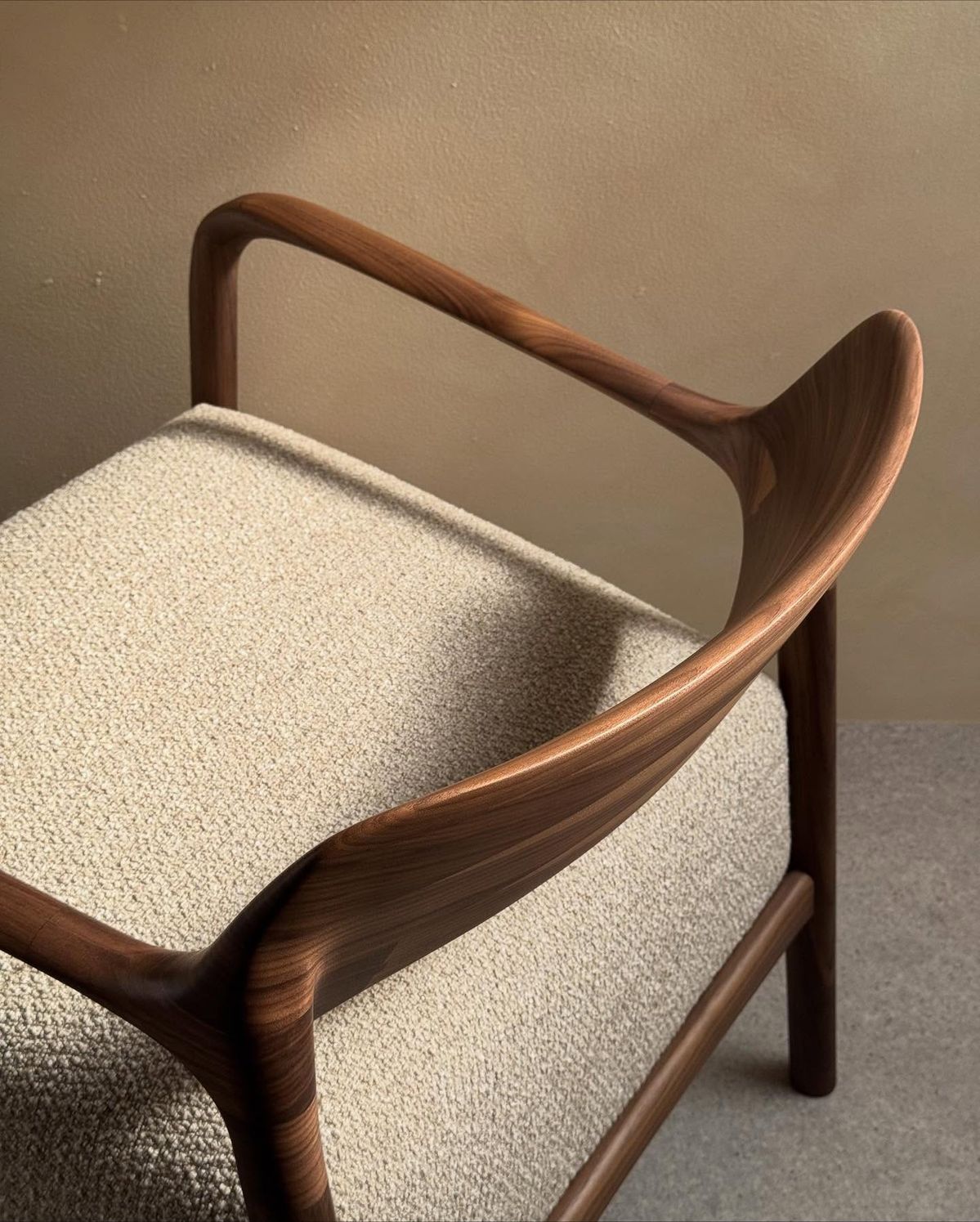
Furniture across rooms, materials and formats
Product directions can include indoor, outdoor or commercial settings, with each brief defining its actual use and performance needs.
- Seating: chairs, stools, benches and upholstered pieces.
- Tables and work surfaces: dining, occasional, desk and other project-specific formats.
- Storage and display: cabinets, shelving, consoles and freestanding units.
- Material combinations: solid wood, panels, metal, upholstery, woven materials, glass or stone components where suitable.
Materials and components make the collection possible
Furniture combines structural work with surfaces, hardware and comfort. The supply-chain opportunity lies in comparing these complementary routes and coordinating them into one approved build.
- Structures: compare timber and panel construction, metal fabrication and other suitable frame systems.
- Surfaces and soft components: connect coatings, veneers, textiles, foam and upholstery to the desired appearance and use.
- Hardware and assembly: resolve hinges, slides, connectors, legs and assembly methods alongside the main structure.
- Packing and transport: assess assembled or knock-down formats, protection and carton dimensions during development.
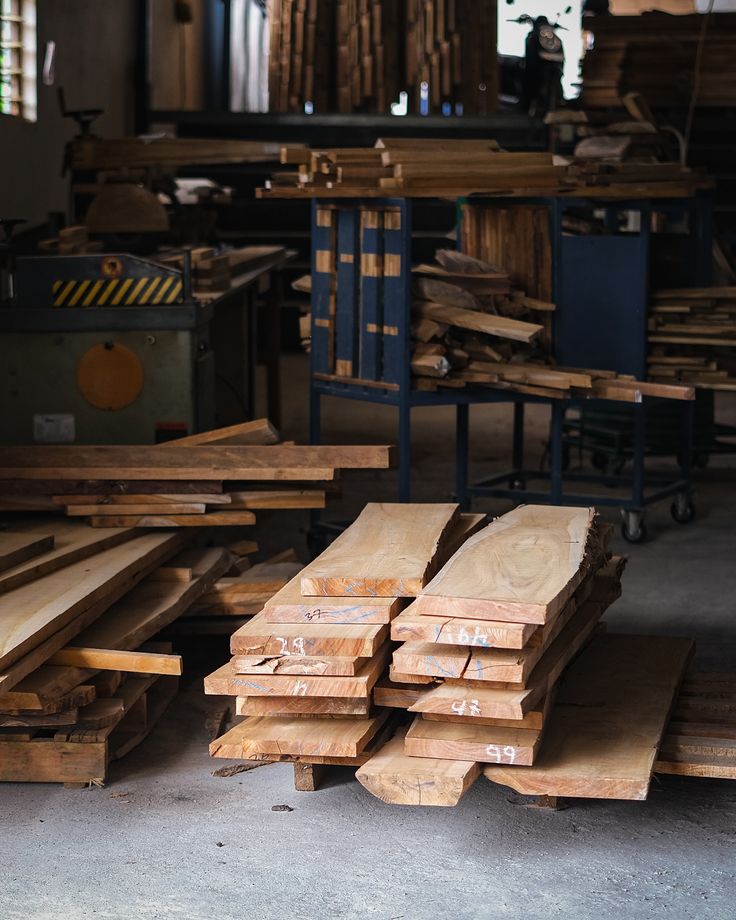
Develop related pieces around a common reference
We help coordinate a consistent material and finish direction across suppliers while keeping dimensions, construction and packing specific to each item.
- Compare alternative builds for the same design and intended use.
- Link finish samples, drawings and assembly details to each approved product.
- Plan collection additions, replacement components and repeat-order references.
Longjiang: furniture making and material choices
Longjiang, in Shunde District, Foshan, Guangdong, combines furniture manufacturing with raw-material and accessory trading. The concentration of makers and material suppliers can offer useful routes for exploring a piece or coordinated collection. We assess supplier fit around the construction, finish and intended use.
- Compare the build: review the frame, panels, joints, upholstery and hardware behind a similar-looking design.
- Develop a material reference: bring wood, fabric, metal and finish samples together before approving a mixed-material piece.
- Clarify responsibility: establish who makes the main structure, supplies bought-in parts and checks the completed item.
Choose construction for the way the piece will be used
The material name alone does not describe a finished piece. Ask for construction details and an agreed sample so cost comparisons include the parts the customer does not immediately see.
- Solid wood, veneer or panel: identify each material by component, including backs, drawer bottoms and concealed supports.
- Metal structures: define tube or section sizes, visible joints, surface finish and how parts connect.
- Upholstery: record cover material, cushion build, seams and whether covers or cushions can be replaced.
- Knock-down construction: review fasteners, part labels, instructions and reassembly before settling the packed design.
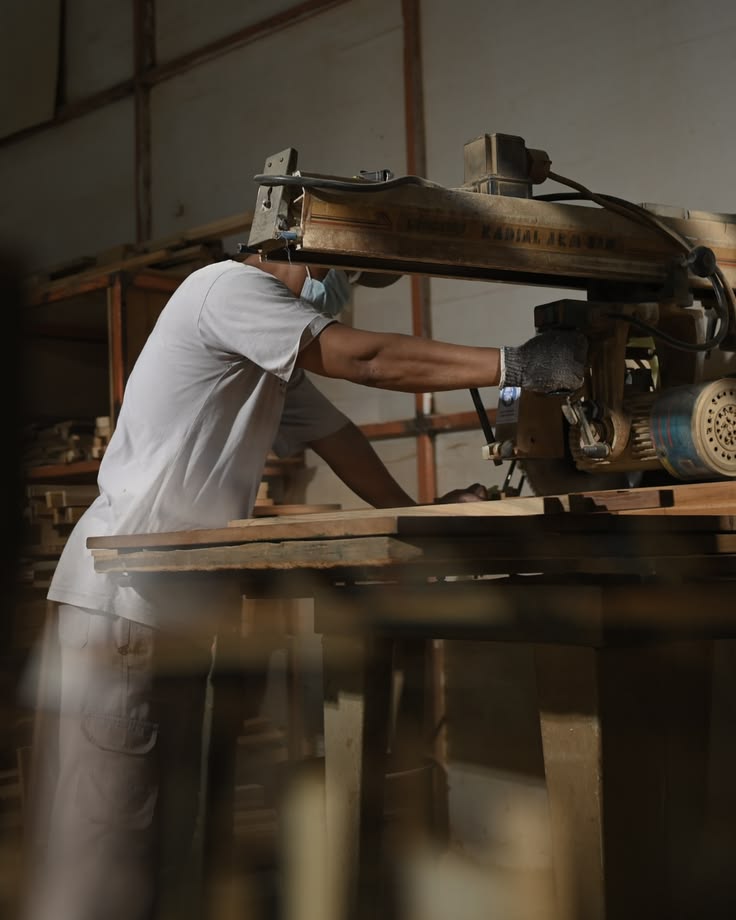
Make the construction part of the brief
A photograph does not establish structural details. Share drawings when available and identify which features require technical review or a physical sample.
- Overall dimensions, clearances, intended loads and installation conditions.
- Wood or panel specification, metal parts, upholstery and surface finishes.
- Hardware, joints, adjustable parts, removable sections and assembly method.
- Surface appearance, accepted natural variation and finish references.
Review appearance, assembly and use
Confirm how a sample or prototype will be evaluated and which tests require a specialist provider. Agree the review before committing to production.
- Check dimensions, fit between parts, stability and moving components.
- Review edges, finish coverage, upholstery details and visible hardware.
- Try the assembly instructions with the included fittings and tools.
- Record the approved sample, drawings and changes together.
Plan packing before comparing freight
Assembled and flat-packed products can have very different handling needs. Compare the complete packed proposal, including protection and the work required on arrival.
- Protect corners, legs, panels, glass and finished surfaces separately where needed.
- Confirm carton or crate dimensions, gross weight and handling points.
- List cartons per item and label matching parts for assembly.
- Agree spare fittings, damage-report information and destination delivery scope.
Compare the same construction and finish
Request prices against the same materials, dimensions, hardware and packing method. Clarify samples, tooling, testing, assembly and freight as separate items.
- Can dimensions be changed? We ask suitable suppliers to review the construction and cost impact.
- Can finishes match across different pieces? Agree a reference and sample approval approach for each material.
- Is assembly or installation included? Confirm it explicitly; supply and on-site work are separate scopes.
Share a piece-by-piece requirement list
Send references or drawings, quantities, dimensions, material and finish preferences, destination and timing. Include assembly preferences, site access constraints and any required performance evidence.