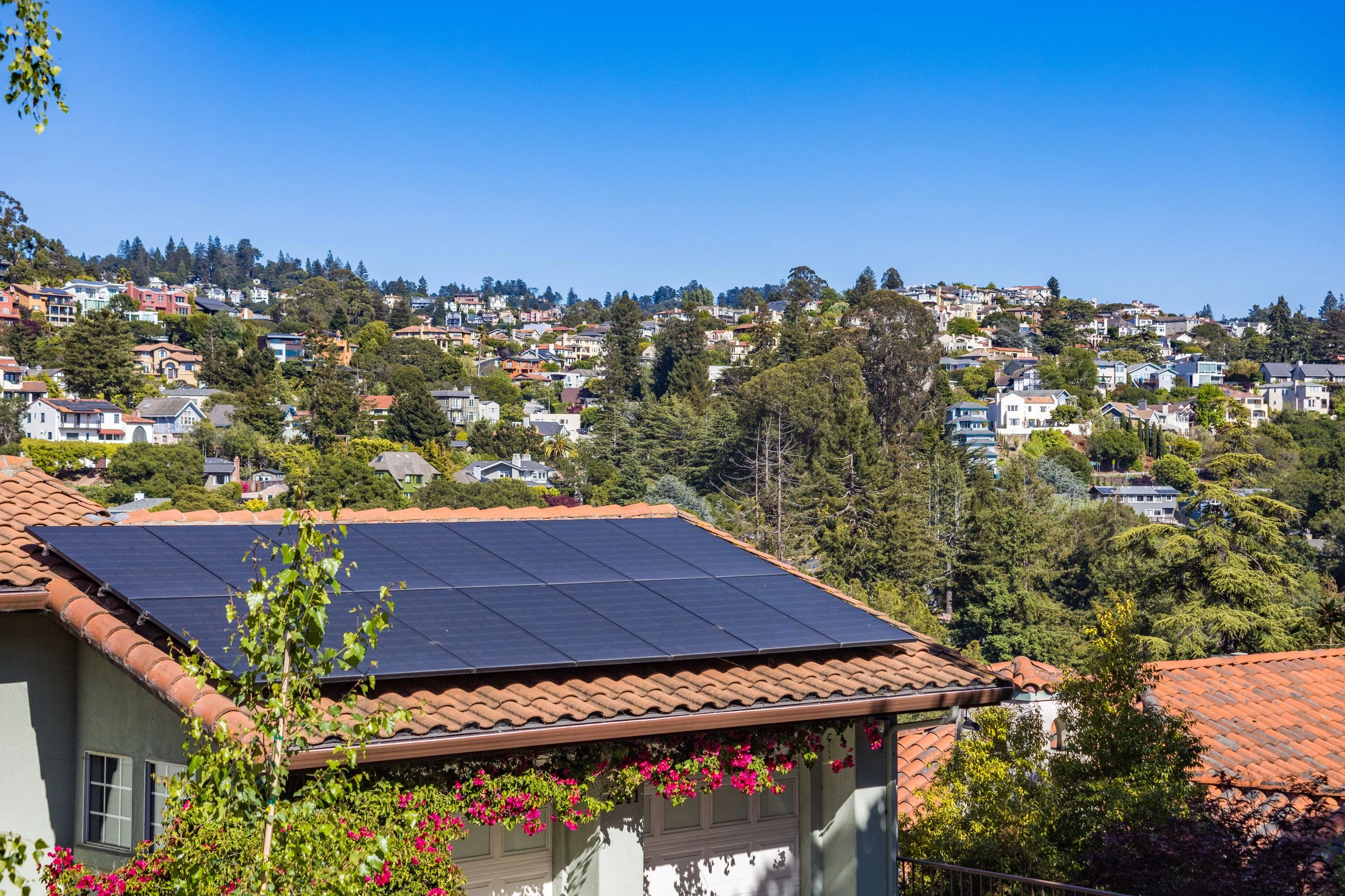
Materials and energy equipment, one coordinated sourcing brief
Choose the product direction that matches your project. Building materials, solar generation and energy storage can be sourced separately or coordinated together; each retains its own specifications, approval steps and specialist responsibilities.
- Building materials: surface products, profiles, fabricated components and finishes, coordinated against drawings and material schedules.
- Solar equipment: panels, inverters and supporting components, reviewed against the intended application and system brief.
- Energy storage: batteries, storage units and supporting equipment, matched to the planned capacity, use and installation context.
- Shared coordination: align supplier comparisons, samples, documentation, packing and delivery milestones. System design, installation and specialist approvals remain with the agreed qualified parties.
Materials across surfaces and project details
A material package can combine several product families. Each item is matched to its application, dimensions, finish and destination requirements.
- Surface materials: tiles, stone, flooring, wall finishes and decorative panels.
- Fabricated components: metal profiles, screens, trims and project-specific details.
- Joinery and interior systems: doors, cabinetry-related components and fitted elements within the agreed scope.
- Hardware and accessories: fittings, fixing components and coordinated finishing pieces.
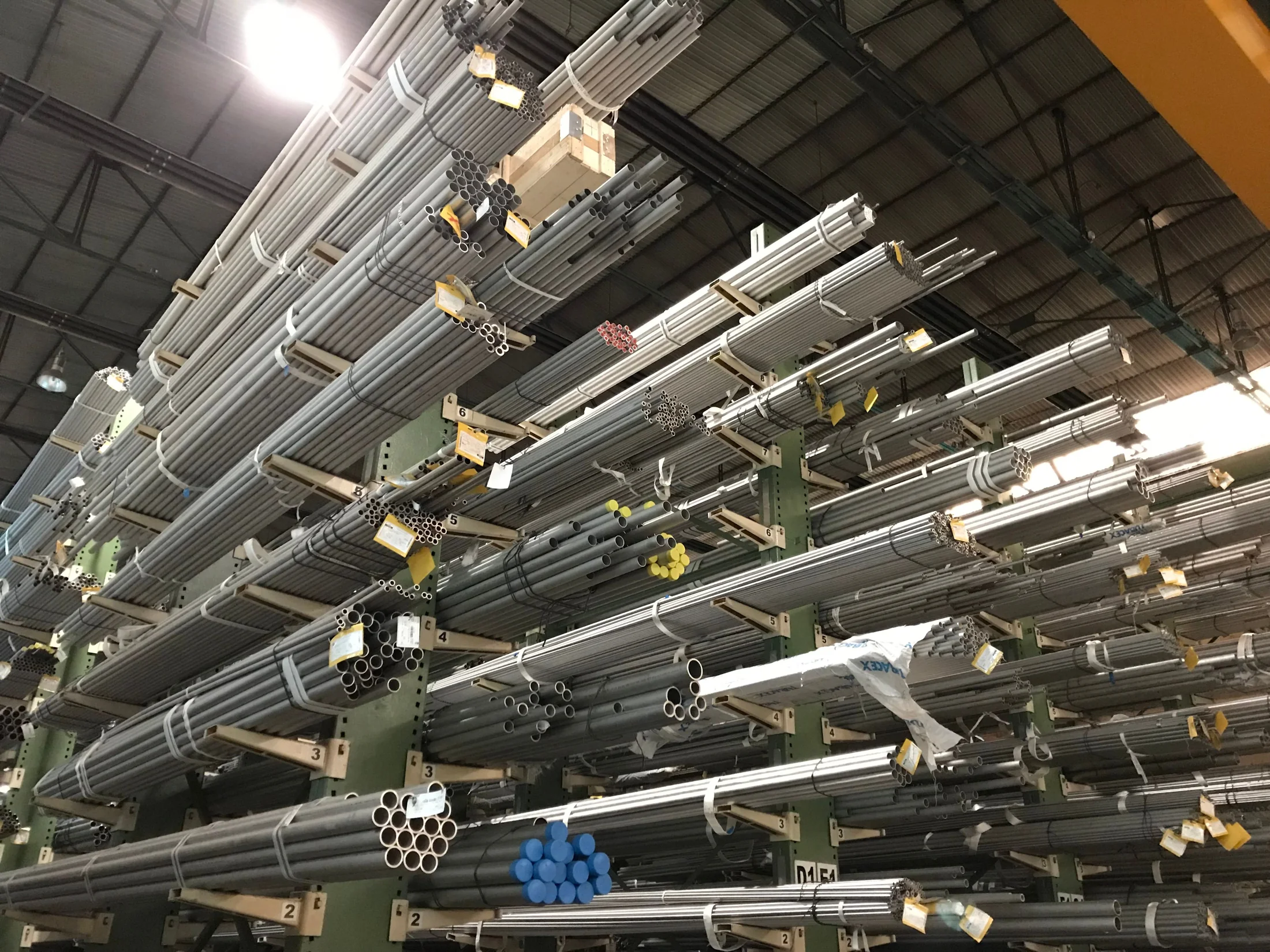
Connect base materials, processing and finishing
Building-material sourcing links raw or semi-finished materials with fabrication and application-specific details. Coordinating these stages helps prevent a finish approval from becoming disconnected from the actual installation.
- Material selection: compare composition, dimensions, appearance and the evidence needed for the intended use.
- Processing: identify cutting, machining, forming or fabrication routes from the project drawings.
- Surface and detail: align coatings, textures, edges, joins and accessory finishes across product families.
- Project delivery: coordinate identification, protective packing and shipment sequence with the receiving team.

Bring separate material orders into one project view
We help organize supplier comparisons, sample references and delivery information around the buyer’s material schedule.
- Keep a common reference for related colors, finishes and dimensions.
- Compare complete item scopes, including fabrication, accessories and packing.
- Track approved batches and delivery groups for the rooms or areas they serve.
Different material families need different references
A schedule gives the order structure; drawings and samples define what each line actually means. Identify the visible surfaces, mating parts and installation conditions before suppliers prepare offers.
- Metal profiles and tubes: provide the section drawing, grade, length, finish and any cutting or machining requirements.
- Stone, tile and surfaces: define format, thickness, edge treatment, finish and the sample range used to review natural or batch variation.
- Door and window components: identify dimensions, opening direction, finish and the interfaces with hardware or surrounding construction.
- Hardware: supply fixing dimensions, material, finish, mating parts and the intended function for technical review.

Keep batch identity through delivery
Mixed sizes and finishes are easier to receive when the packing list, labels and project schedule use the same references. Discuss replacement and spare quantities with the project team before finalizing the order.
- Assign a line or drawing reference to each product, size and finish.
- Record agreed batch or shade references for materials installed together.
- Label packages by item and, where useful, by installation area or delivery stage.
- Confirm edge and surface protection, unloading requirements and how receiving damage will be recorded.
Define comparable specifications
Use the same requirements when asking suppliers for prices. Identify any dimensions or finish references that must remain fixed.
- Material, grade, dimensions, tolerances where known and quantity.
- Finish, color, sample reference and visible surface requirements.
- Application, project location and required supporting documents.
- Cutting, labeling, protective packing, destination and timing.
Review material, finish and variation
Compare supplier offers against the drawings and approved references. For visible finishes, agree how samples or other evidence will be reviewed and which differences need approval. Technical suitability or specialist testing must be assessed by an appropriate provider where needed.
Make the quote and approval basis clear
We coordinate clarification of missing details and organize comparable quotations. Separate materials, processing, samples, packing and logistics where applicable. Before an order proceeds, confirm the approved specification, quantity and evidence still needed. Proposed outputs can include a comparison and an open-question list, subject to scope.
Prepare materials for the next team
Agree protection for surfaces and edges, identification of different sizes or batches and the packing list. Review handling and unloading needs with the responsible parties. Clear labels and approved packing instructions help connect the supplier’s dispatch with the buyer’s receiving and installation teams.
Solar and storage across different applications
Product directions extend from individual components to coordinated equipment packages. The scope can serve different scales and settings without being limited to a household or commercial label.
- Solar generation: photovoltaic modules and supporting mounting, connection and electrical components.
- Power conversion: inverters and related equipment selected around the proposed system.
- Energy storage: battery products, cabinets and associated management or protection components.
- Use cases: self-consumption, backup power, off-grid use or other defined energy needs, with system design led by the appropriate technical provider.
Connect generation, conversion, storage and delivery
The value of a broad equipment supply chain is the ability to compare suitable components and configurations. Those options need to be brought together around one system specification.
- Solar equipment: compare module specifications and the mechanical or electrical components that support installation.
- Power electronics: coordinate inverter options, operating parameters and system interfaces.
- Battery systems: connect battery configuration, management, enclosure and thermal-control requirements with the selected provider.
- System handoff: align technical review, model-specific documents, shipment requirements and installation responsibilities.
Keep different suppliers aligned to one system brief
We help organize sourcing, quotations and documentation while the appointed technical specialists review system design and compatibility.
- Compare component-only supply with a more complete equipment package on the same scope.
- Keep model numbers, interfaces, included accessories and support terms visible in the proposal.
- Coordinate changes and shipping information across equipment suppliers before release.
Define the solar component scope
Discuss PV modules, inverters, mounting systems and supporting components for a new installation or an existing system. Your brief can cover a few specified components or an equipment package for an approved design.
- PV modules: model or target output, dimensions, quantity and available installation area.
- Inverters: intended system type, electrical requirements and compatibility with the specified equipment.
- Mounting and accessories: roof or ground conditions, connection details and components included in the offer.
- Technical records: supplier datasheets, model identification, warranty terms and information for your installer.
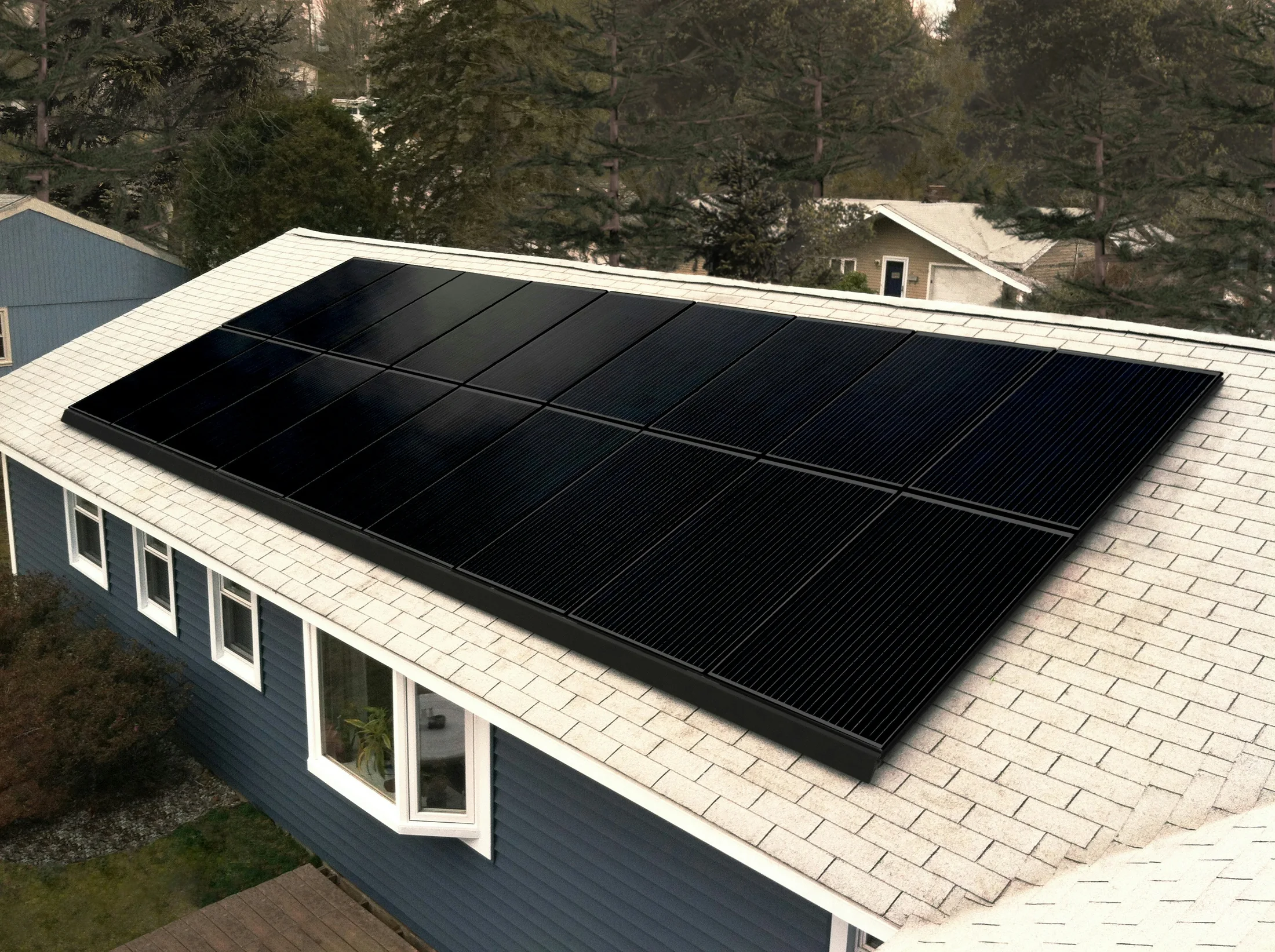
Start with how the energy will be used
A compact setup and a larger installation need different equipment decisions, but both begin with the intended loads and site. Share the use case and the details you already know; a suitable designer or installer confirms the final system.
- Rooftop generation: provide roof information, available area, electricity-use pattern and any existing inverter or equipment schedule.
- Essential-load backup: list the appliances or circuits to support, their operating needs and the desired backup duration.
- Portable or remote use: describe movement, charging sources, outlet needs and the environment where the equipment will operate.
- Expansion: share existing model numbers and ask the responsible technical provider to confirm the supported upgrade path.
Compare the full equipment package
Two quotes may describe similar capacity while including different components and services. Use one equipment schedule and make the boundaries clear before comparing totals.
- List included modules, inverter, batteries, controls, mounting and connection accessories by model and quantity.
- Separate equipment supply, transport, installation, commissioning and any specialist assessment.
- Record usable-energy and power claims with the conditions stated by the supplier, for technical review.
- Agree who handles warranty questions, remote diagnosis, replacement components and the related shipping costs.
Choose storage around the job it needs to do
Requests can range from compact backup power and wall-mounted or rack-mounted batteries to integrated storage cabinets and container systems. Start with the loads, available space and intended use; the scale follows the requirement.
- Backup power: which equipment needs to keep running, for how long, and under what operating conditions.
- Solar-plus-storage: how the proposed battery and inverter will work with new or existing solar equipment.
- Compact or modular systems: placement, access, expansion plans and service needs.
- Larger systems: power, usable energy, controls, site interfaces and commissioning responsibilities.
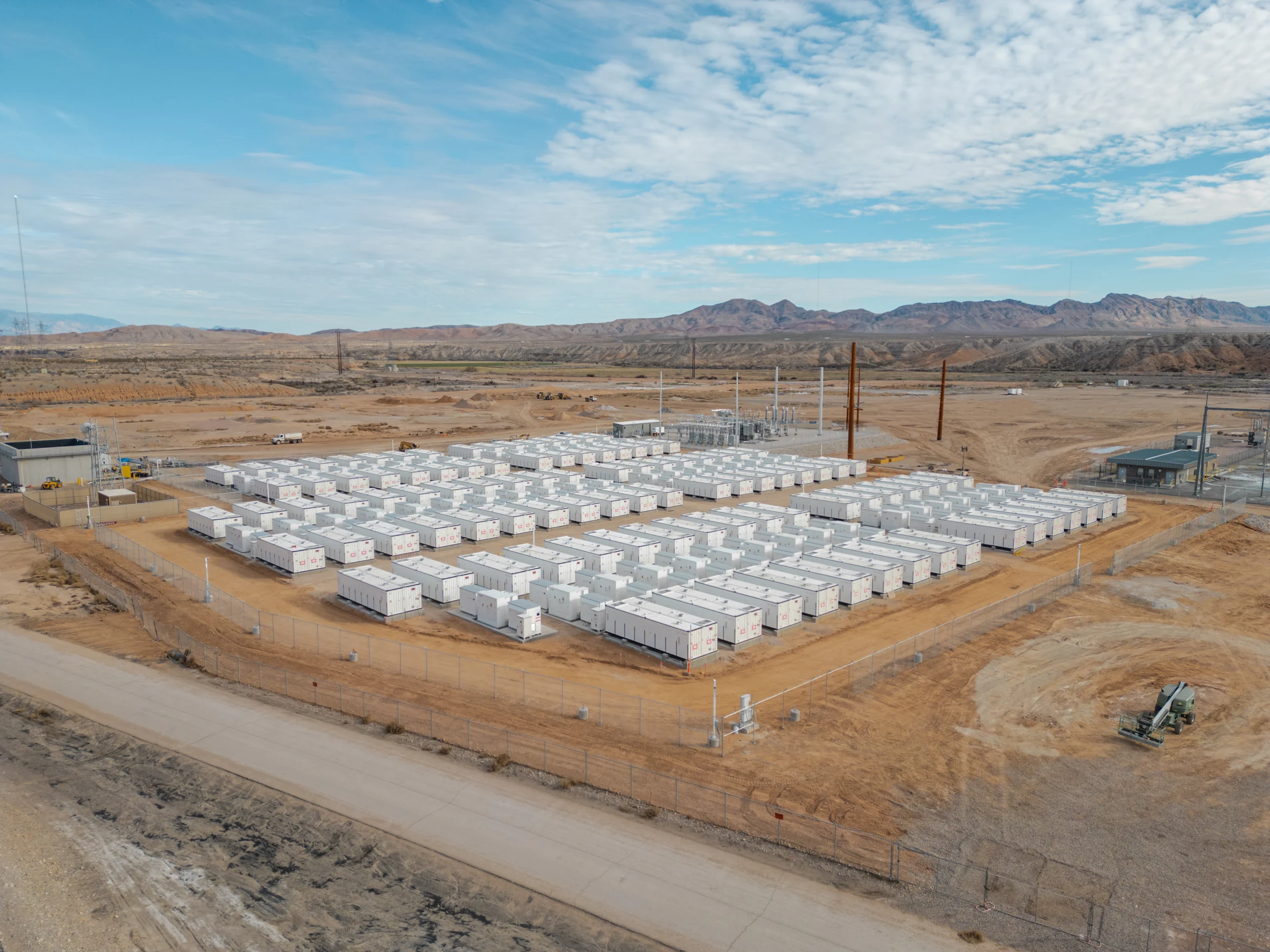
Build one clear project brief
Tell us whether the request covers specified components, equipment for an approved system design or a concept needing technical review. Share the destination, target date and the technical decisions already made. Identify the project team member or specialist who will approve the configuration.
- Specified components: model or datasheet, quantity, required documents and acceptable alternatives.
- Defined system: equipment schedule, capacity, interfaces and approved technical requirements.
- Early concept: intended use, site conditions, target power and energy capacity if known, plus questions needing specialist review.
Check that the equipment works together
Buying compatible components is different from selecting each item by price. We gather supplier information and coordinate open questions for the installer, designer or specialist responsible for approval.
- Share existing inverter and battery models, datasheets and any approved equipment schedule.
- Confirm electrical interfaces, control communication, supported configurations and expansion conditions.
- Identify installation conditions, access, ventilation or other site questions for professional review.
- Ask who confirms system suitability, installation, commissioning and ongoing support.
Compare scope, evidence and responsibilities
We organize supplier specifications, prices, documents and open questions for your team. Technical design, system suitability and required specialist reviews are assessed by appropriate providers. Confirm each offer’s inclusions, inspection and acceptance steps, installation responsibilities, warranty process and after-sales arrangements before proceeding.
Prepare the equipment and document handoff
Agree the approved configuration, inspection findings, packing and shipping documents before release. Identify who supplies technical records and who approves dispatch. Logistics partners assess shipment requirements for the actual equipment. Coordination does not replace the technical or destination-market reviews required for your project.
- Request model-specific battery and transport information for the logistics provider to assess.
- Agree packing dimensions, weights, handling needs and the shipment scope before dispatch.
- Confirm the inspection record, serial or model identification, manuals and warranty documents.
- Record installation, commissioning and after-sales responsibilities before release.
Questions to settle before requesting a quote
You do not need to start with a finished technical design, but it helps to separate what is known from what still needs expert assessment.
- Can we discuss a smaller setup? Yes. Share your intended use, destination and the equipment or loads involved; the brief does not need to be a commercial project.
- Can storage be added to an existing solar installation? Supply the existing equipment details so the relevant provider can review a compatible configuration.
- Can a battery run everything during an outage? The designer must assess the actual loads, system configuration and required duration; capacity alone does not establish that.
- Do you install the system? Our scope is sourcing and coordination; installation and commissioning must be agreed with suitable providers.